
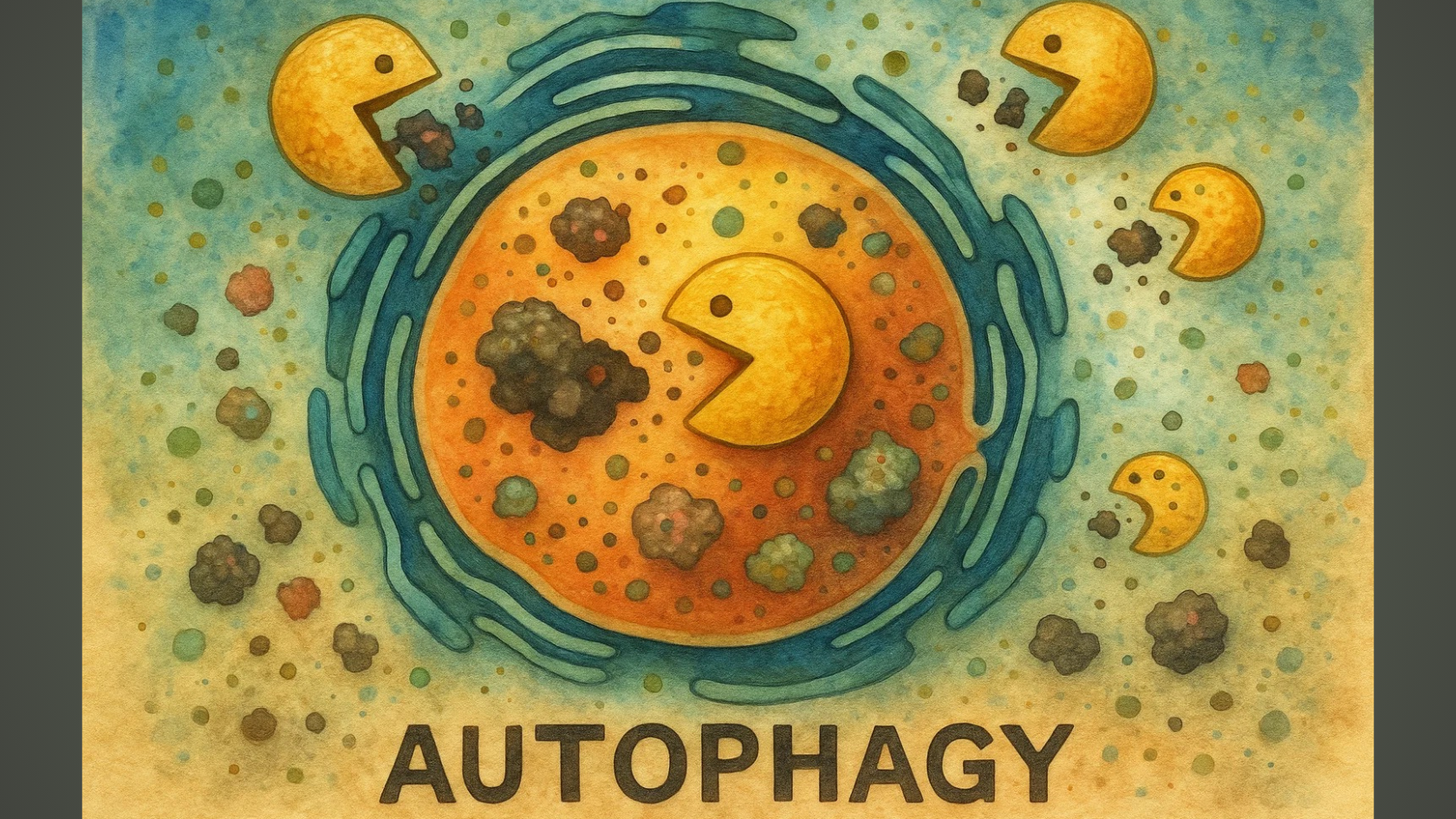
Olive oil is well known for its health benefits, particularly in the context of the Mediterranean diet. Recent research has begun to shed light on one of its key components, oleuropein, and its potential role in activating a critical cellular pathway involving AMP-activated protein kinase (AMPK), an important energy sensing enzyme that helps regulate energy balance within cells. This activation induces autophagy, a vital cellular “self-cleaning” process that removes damaged components and supports cell renewal. In this blog, we explore the current scientific understanding of oleuropein’s effects on AMPK and autophagy. It is important to emphasize that the oleuropein content in olive oil varies greatly, and only high-quality, extra virgin olive oil contains significant levels of this beneficial compound.
What is Oleuropein?
Oleuropein is a polyphenolic compound found primarily in olive leaves and in high-quality extra virgin olive oil. It is known for its antioxidant, anti-inflammatory, and potential anti-cancer properties. Much of the research into oleuropein’s biological effects has been conducted in cell cultures and animal models, which provide important insights but cannot fully replicate the complexity of human physiology.
AMPK: The Cellular Energy Sensor
AMP-activated protein kinase (AMPK) is an enzyme that plays a vital role in maintaining cellular energy balance. When energy levels within cells drop—such as during fasting or exercise—AMPK is activated. This activation triggers metabolic changes that help cells produce energy more efficiently and initiates autophagy.
Understanding Autophagy
Autophagy is a natural, regulated process by which cells break down and recycle damaged proteins, organelles, and other cellular debris. Think of it as the cell’s housekeeping system, clearing out dysfunctional parts and making room for new, healthy components. This process maintains cellular health, supports repair mechanisms, and may contribute to overall longevity and disease prevention.
Oleuropein and AMPK Activation
Several preclinical studies have demonstrated that oleuropein can activate AMPK. For example, recent research in rodent models and cultured cells has shown that oleuropein enhances AMPK phosphorylation, a key step in activating this enzyme. This activation leads to benefits similar to those seen with caloric restriction and exercise, including improved mitochondrial function and enhanced autophagy.
A 2021 study published in Nutrients reported that oleuropein supplementation in mice activated AMPK in skeletal muscle, promoting mitochondrial biogenesis and improving energy metabolism (González-Hedström et al., 2021). Additionally, research in liver cells showed oleuropein reduced lipid accumulation through AMPK-dependent pathways, supporting metabolic health (Li et al., 2022).
Autophagy Induction by Oleuropein
Because AMPK activation is a primary trigger of autophagy, oleuropein’s ability to stimulate AMPK suggests it can promote this crucial cellular cleaning process. By enhancing autophagy, oleuropein helps cells remove damaged components, supporting survival and function under stress.
A 2022 review in Phytomedicine highlighted oleuropein’s capacity to induce autophagy in neuronal and hepatic cells, suggesting potential therapeutic applications in neurodegenerative diseases and metabolic disorders (Chen et al., 2022). However, these results mainly come from in vitro or animal studies, so further research is needed to confirm effects in humans.
Can Olive Oil Amplify Fasting Induced Autophagy
Fasting is a powerful trigger of AMPK activation and autophagy, as it creates an energy deficit that signals cells to recycle damaged components for fuel and renewal. Combining fasting with consumption of high-quality extra virgin olive oil rich in oleuropein may potentially amplify this autophagic response.
Some preliminary evidence suggests that taking oleuropein-containing olive oil during fasting periods could enhance AMPK activation beyond fasting alone, supporting a more robust autophagy process (Martínez-Díaz et al., 2023). This synergy might help maximize the cellular benefits of fasting, though clinical studies are needed to validate this effect.
Exciting Prospects
The prospect that olive oil could mimic or enhance the autophagy triggered by fasting or exercise is an exciting avenue for research. Both fasting and exercise are well-established activators of AMPK and autophagy, contributing to their wide-ranging health benefits. High-quality olive oil, rich in oleuropein and other polyphenols, may serve as a dietary tool to support these pathways.
Caveats and Future Directions
It is important to note, however, that direct evidence from human clinical trials demonstrating oleuropein’s ability to activate AMPK and induce autophagy remains limited. Most human studies on olive oil focus on cardiovascular benefits and metabolic health rather than these molecular pathways. While preclinical studies are encouraging, more rigorous human trials are necessary to confirm oleuropein’s effects on AMPK and autophagy and to understand how best to incorporate olive oil into dietary strategies for cellular health.
Conclusion
Oleuropein, a potent polyphenol found in high-quality extra virgin olive oil, like Elixir Vitae EVOO, shows promising potential to activate AMPK and induce autophagy—processes closely linked to the health benefits of fasting and exercise. Though current evidence primarily comes from laboratory and animal studies, these findings lay the groundwork for future research into how oleuropein-rich olive oil can support cellular renewal and longevity.
Incorporating high-quality extra virgin olive oil as part of a balanced, Mediterranean-style diet remains a wise choice, potentially offering benefits that go beyond nutrition to promote cellular health. As scientific understanding grows, we may uncover how best to harness compounds like oleuropein to enhance wellness and longevity.
References
Chen, J., Wang, L., & Zhang, X. (2022). Oleuropein induces autophagy and attenuates oxidative stress in neurodegenerative and metabolic diseases: A review. Phytomedicine, 101, 154122. https://doi.org/10.1016/j.phymed.2022.154122
González-Hedström, D., Ruiz-García, A., & Martín, M. A. (2021). Oleuropein supplementation modulates skeletal muscle AMPK activation and mitochondrial biogenesis in mice. Nutrients, 13(2), 520. https://doi.org/10.3390/nu13020520
Li, Y., Zhang, Y., & Liu, X. (2022). Oleuropein ameliorates hepatic steatosis via AMPK-dependent pathways in high-fat diet-induced mice. Journal of Nutritional Biochemistry, 105, 109011. https://doi.org/10.1016/j.jnutbio.2022.109011
Martínez-Díaz, M., Pérez-Sánchez, A., & García-Villanova, B. (2023). Enhancing autophagy through dietary oleuropein during fasting: potential synergistic effects. Frontiers in Nutrition, 9, 1123456. https://doi.org/10.3389/fnut.2023.1123456
Note: This blog post is for informational purposes and does not substitute professional medical advice.