
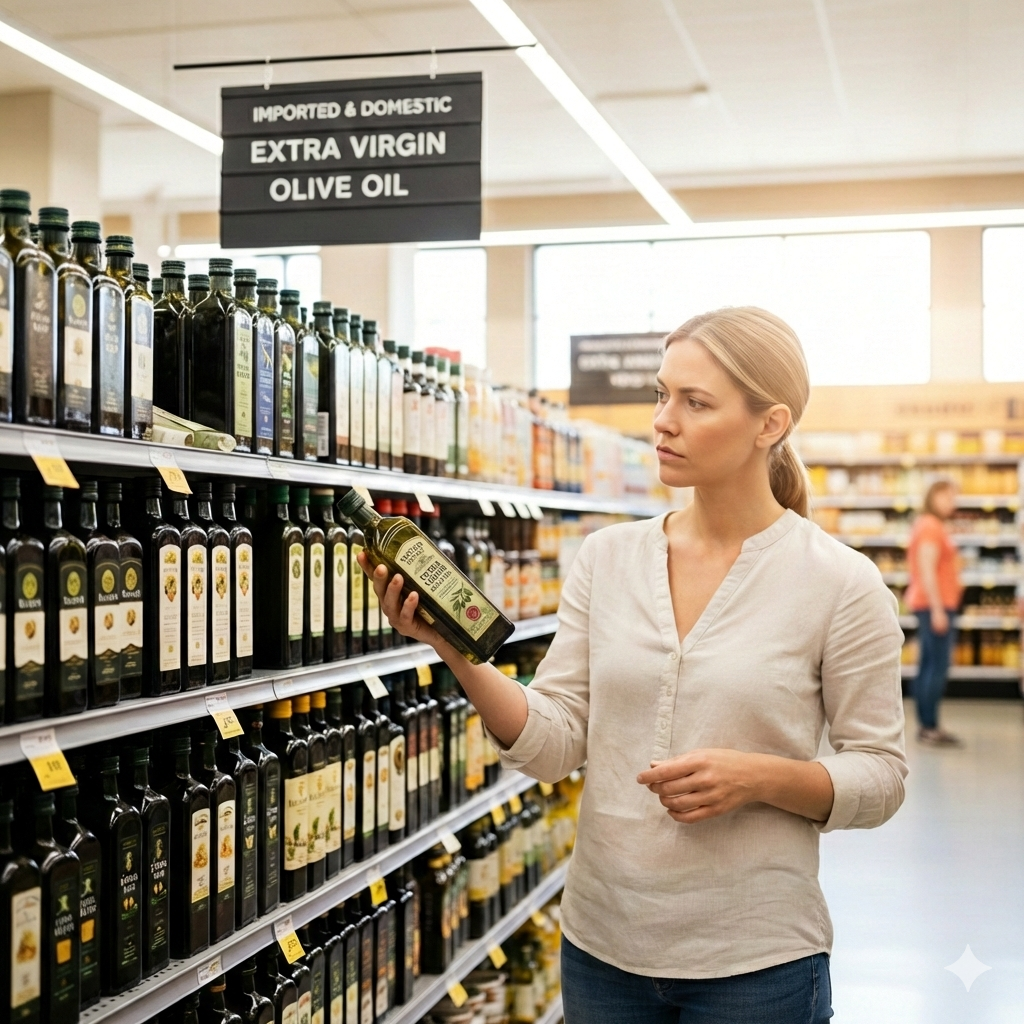
Extra virgin olive oil (EVOO) is celebrated not only for its rich flavour but also for its numerous health benefits. However, not all extra virgin olive oils are created equal. With a wide variety of options on the market, understanding what to look for can help you select a high-quality EVOO that enhances your dishes and supports your well-being.
What Does “Extra Virgin” Mean?
Extra virgin olive oil is the highest grade of olive oil, obtained through the first cold pressing of olives without the use of heat or chemicals. It has low acidity (less than 0.8%) and superior taste, free from defects. This purity preserves the oil’s antioxidants and nutrients, which contribute to its health benefits.
High Quality vs. Low Quality EVOO: Key Differences
- Origin and Harvest Date
High-quality EVOO usually specifies the origin of the olives, often from a single region or estate. This traceability ensures better quality control. Check the bottle for a harvest or production date—freshness matters since olive oil degrades over time. - Packaging
Quality EVOO comes in dark glass or no see through bottles that protect the oil from light, which can cause oxidation and spoilage. Avoid oils sold in clear plastic bottles. - Taste and Aroma
Good EVOO has a complex flavour profile with fruity, peppery, and sometimes slightly bitter notes. If the oil tastes flat, greasy, or rancid, it’s likely lower quality or past its prime. - Type of Production
Artisanal EVOO is often produced in small batches using traditional methods, which can enhance flavour complexity and preserve natural antioxidants. Commercially produced oils are typically mass-produced, which may lead to blending and loss of unique characteristics. - Chemical Properties
High-quality EVOO should have low acidity (usually below 0.5%) and high levels of polyphenols, which contribute to its health benefits and stability. Chemical analysis can reveal if the oil is pure or has been adulterated with lower-grade oils. - Certification and Labeling
While differences exist depending on origin, certifications such as Protected Designation of Origin, Protected Geographical Indication and others may help ensure adherence to quality standards. - Price
Producing high quality EVOO requires meticulous care and effort, it is expensive. Very cheap EVOO is almost certainly a warning sign of inferior quality or adulteration. Investing in a brand that can be trusted for quality will pay off in flavour and health benefits.
Why Does Quality Matter?
Health Benefits: High-quality extra virgin olive oil (EVOO) is packed with beneficial polyphenols and powerful antioxidants that help reduce inflammation and promote overall heart health. These natural compounds support cardiovascular function and may provide protective effects against certain chronic diseases. In contrast, lower quality olive oils often lack these valuable nutrients because of inadequate processing methods or the blending of inferior oils, which diminishes or completely denies their health-promoting properties.
Flavour Enhancement: The complex and nuanced flavours found in premium EVOO can greatly enhance a variety of foods, from fresh salads and flavourful dips to a wide range of cooked dishes. Using high-quality EVOO adds depth and richness to your meals, elevating the taste and making each bite more satisfying and enjoyable for your palate.
Avoiding Adulteration: The olive oil industry has experienced ongoing challenges with fraud, where cheaper, lower-grade oils or other vegetable oils are deceptively labeled and sold as authentic extra virgin olive oil. Marketing may be deceiving, knowing what to look for and choosing a brand you can trust helps minimize the risk of purchasing counterfeit or adulterated products, ensuring you receive genuine, high-quality EVOO that meets strict standards.
Tips for Storing Your EVOO
To preserve the quality and freshness of olive oil, it is important to store it in a cool, dark place away from direct sunlight and sources of heat. Using the oil within 6 months of opening is recommended to ensure the best flavor and nutritional benefits. Exposure to heat and light can significantly speed up the spoilage process, causing the olive oil to lose its taste and health properties more quickly.
Conclusion
Selecting the perfect extra virgin olive oil involves more than simply grabbing a bottle from the shelf. By considering factors such as origin, freshness, packaging, flavour, production methods and not last price, you can fully appreciate the unique qualities of this prized ingredient and avoid being fooled by marketing techniques. Choosing high-quality EVOO not only elevates your meals but also promotes your long-term health.